Request Free Consultation Book Appointment

Full mouth restorations

Customized Solutions for Restoring a Complete Smile

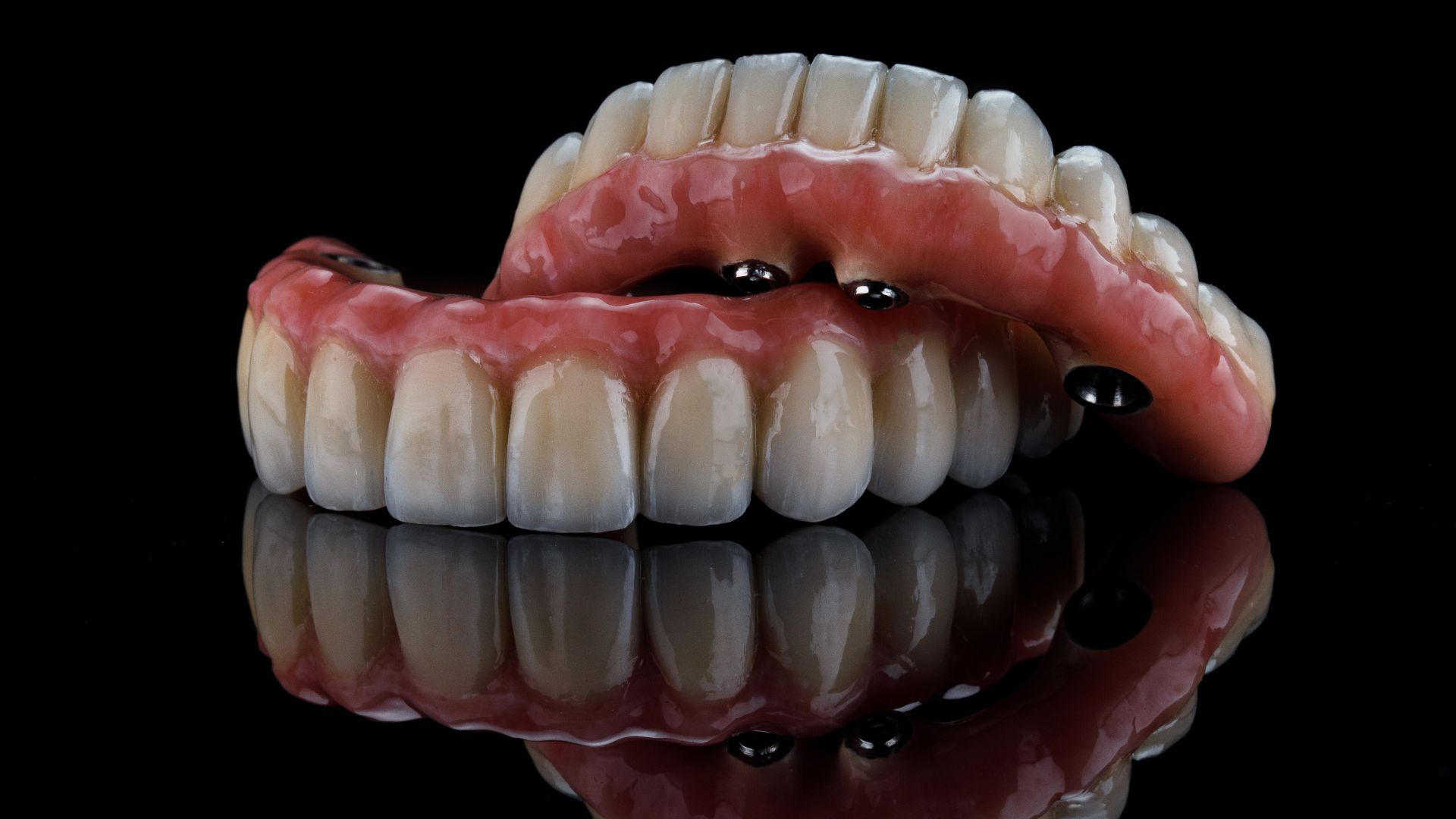
Full mouth restoration with implants is a comprehensive oral rehabilitation procedure that restores lost tooth functions and a natural appearance. This procedure is ideal for patients with significant dental health issues, such as multiple tooth losses or severe gum and tooth diseases. The advanced “all-on-X” technique allows the fixation of a full set of teeth on 2–6 implants, providing maximum stability and exceptional aesthetics. Thanks to this approach, all teeth are restored, improving the patient’s chewing abilities, speech, and smile while offering greater confidence in daily life.

Why Choose Dental Art

The implantologists at Dental Art have extensive experience in full mouth restoration, offering professional and personalized care to patients. Our specialists use the highest-quality titanium implants and the latest technologies to deliver functional, aesthetically pleasing, and long-lasting results. The clinic offers diverse solutions tailored to different financial capacities and individual preferences.

At Dental Art, implant placement and all other “all-on-X” procedures can be performed under sedation, providing maximum comfort during treatment. Beyond treatment and implant placement, post-operative care is equally important. Our experienced specialists provide thorough follow-up care in addition to the patient’s own at-home oral hygiene routines.

What to Know Before the Procedure

Before undergoing full mouth restoration with implants, it’s essential to perform thorough diagnostics, including 3D X-rays, to evaluate oral health and jawbone condition. Patients should discuss their preferences and options with a specialist to choose the most suitable treatment plan. Be prepared for multiple visits required to complete the procedure. Following the specialist’s instructions carefully will ensure optimal results.

What Happens During the Procedure

Full mouth restoration typically involves several stages:

  • Initial preparation of the oral cavity: This may include the extraction of damaged teeth and treatment of gum diseases if necessary. This stage is vital to ensure that implant placement and gum healing proceed without complications.
  • Taking a detailed impression of the teeth: This aids in creating a suitable prosthetic plate or other solution tailored to the patient’s anatomical features.
  • Creating removable or fixed dentures: Based on the chosen solution, a removable or fixed denture is manufactured. The goal of this step is to provide an aesthetically pleasing and functional tooth replacement that meets the patient’s needs and preferences.
  • Placement of titanium implants: These serve as a secure and long-lasting support structure for future prosthetics. After implant placement, a temporary denture may be created and fitted. This temporary solution aesthetically replaces missing teeth and protects implants and the jawbone during the healing process. While optional, it is recommended for comfort and to support the healing process.
  • Healing and integration period: After 3–6 months, when the implants have fused with the bone, an X-ray is taken to confirm osseointegration.
  • Final prosthesis installation: In the last stage, the fabricated plate or other prosthetic is secured, ensuring a natural and aesthetic smile.

Post-Procedure Recommendations and Care

  • In the first few days after implant placement, mild swelling or discomfort may occur, which is a normal bodily response.
  • Avoid any heat exposure after the operation: do not drink hot beverages, bathe in hot water, or engage in activities that dilate blood vessels.
  • Do not eat for at least two hours after implant placement.
  • Eat only soft foods for two weeks after implant placement, avoiding chewing on the side where the procedure was performed.
  • To alleviate pain and improve well-being, painkillers or, if necessary, fever-reducing medications can be used.
  • Avoid dairy products for three days after the operation, as they contain bacteria that may impair healing.
  • Refrain from smoking, as it can hinder the healing process.
  • Avoid vigorous mouth rinsing to prevent dislodging the blood clot, which aids in tissue healing.
  • Avoid contact with the wound: do not touch it with your tongue, toothbrush, dental floss, or toothpick.
  • For two to five days after the operation, swelling and minor bruising may persist. These can be alleviated by applying a towel-wrapped ice pack or frozen vegetables to the swollen area every two hours (for approximately 20 minutes). To reduce swelling, it’s advisable to sleep in a semi-upright position using high pillows.
  • A small amount of blood in saliva is normal, but if there is heavy bleeding, it can be stopped by applying a dry cotton tampon to the bleeding area for 10 minutes. If bleeding does not stop, consult a dentist immediately.

If you have concerns about the healing process, please contact us.

Frequently Asked Questions

What is full mouth restoration?

Full mouth restoration with implants is a comprehensive oral rehabilitation process that restores the function and natural appearance of all teeth. This procedure includes the extraction of remaining teeth or their roots, placement of dental implants, and fitting of prosthetics or crowns, ensuring long-lasting, natural-looking results. It is particularly suitable for patients who have lost all their teeth or suffer from serious oral health issues.

Why is full mouth restoration with implants necessary?

Full mouth restoration with implants is necessary when teeth are missing or severely damaged, impacting both oral functionality and aesthetics. This procedure not only improves chewing and speech abilities but also helps prevent further dental and gum health issues. It is an excellent opportunity to regain confidence often lost due to an incomplete smile.

How is full mouth restoration performed?

The process begins with a thorough assessment of the oral condition and the development of an individual treatment plan. The procedure may include the extraction of damaged teeth, placement of dental implants, and fitting of prosthetics. All actions are performed using the latest technologies and materials.

How long does full mouth restoration take?

The duration of the procedure depends on the individual treatment plan, which may involve several visits over a span of months. The timeline for treatment depends on factors such as tooth extractions, bone grafting, and healing periods between different phases of the procedure. Specialists will inform the patient about the approximate treatment schedule in advance.

Will my insurance policy cover the treatment costs?

Depending on the terms of your insurance policy, the costs of dental implant placement may be partially or fully covered. Please present your policy during your visit, and our administrators will provide all the necessary information.

Can I pay in installments?

Yes, Dental Art offers several options to make treatment financially accessible:

  • Per-Visit Payments: Pay per session as outlined in your treatment plan.
  • Insurance Policy: Depending on your insurance terms, costs may be partially or fully covered.
  • Financing Options: We work with credit institutions to help you spread payments and manage finances long-term.
image
Contact form Book an Appointment or Ask a Question!

Our clinic offers a wide range of dental services, but not all treatments can be booked online with prepayment. Therefore, we invite you to fill out this application form. After submitting the form, we will contact you within one business day to confirm the appointment time. We are happy to assist you and look forward to welcoming you to our clinic!


    By clicking ‘submit secure form’ you are consenting to us replying, and storing your personal details. (see our privacy policy for more information).

    image
    We work with all insurance providers in Latvia
    bta logo compensalife logo ergo logo balta logo if logo gjensidige logo ban logo ban logo
    Our Partners
    vid logo eiropas logo
    Accessibility