Request Free Consultation Book Appointment

Veneers

What are veneers?

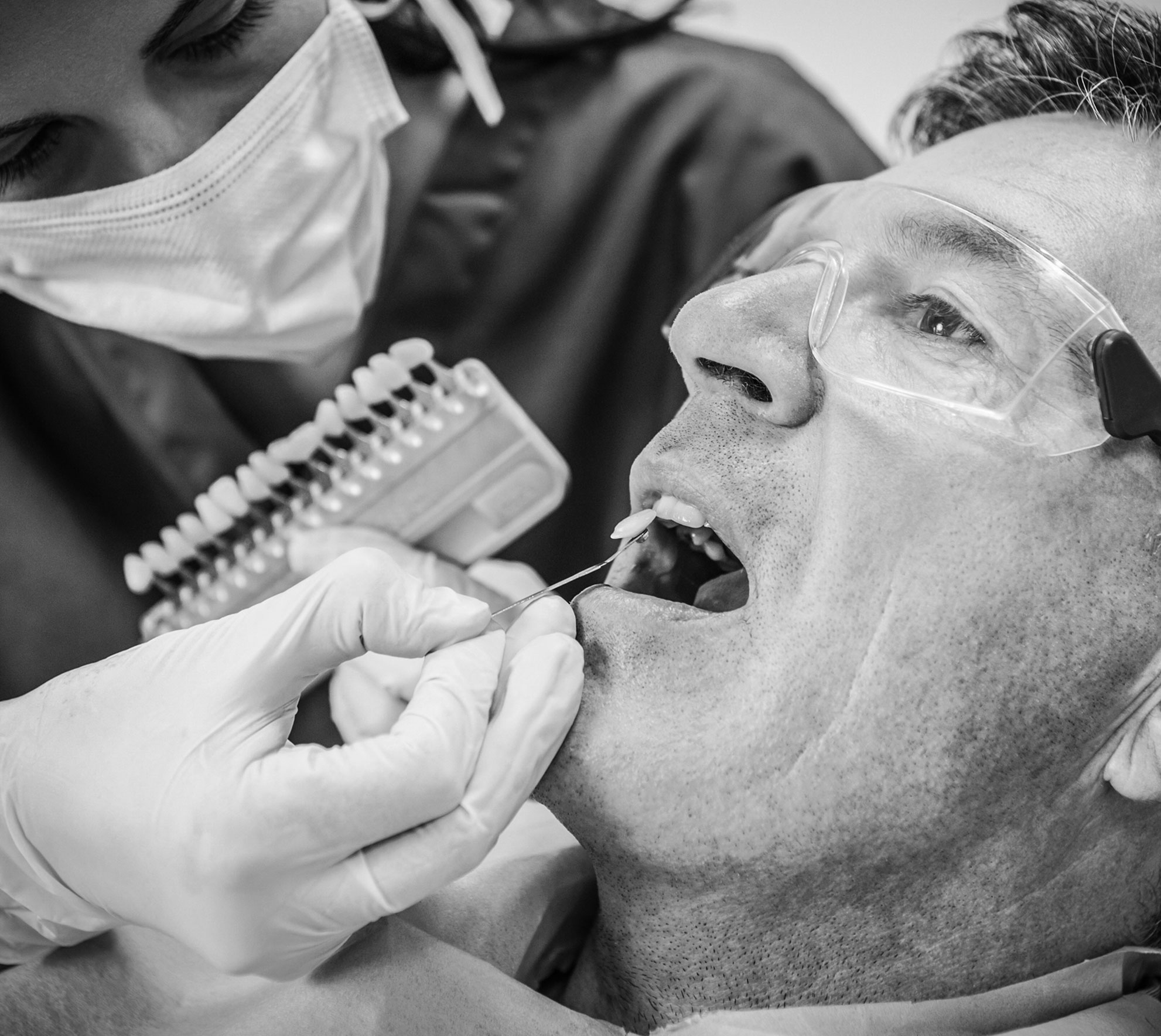
Veneers are thin, custom‑made coverings that are bonded to the front of your teeth to refine their shape, colour and overall appearance. They can be used to mask discolouration, close small gaps and improve worn or uneven edges while keeping much of your natural tooth in place.

Most veneers are made from porcelain, zirconia or composite resin. At Dental Art we typically use zirconia and eMax porcelain veneers for their strength, lifelike translucency and ability to blend seamlessly with the rest of your smile.

Book an Appointment See our price guide

Redesign your smile 
with bespoke veneers

At Dental Art, veneers are crafted like fine layers of porcelain art – carefully shaped, shaded and balanced around your features to create a confident, natural‑looking smile that still feels uniquely yours.

A practical guide and frequently asked questions

What do veneers look like?

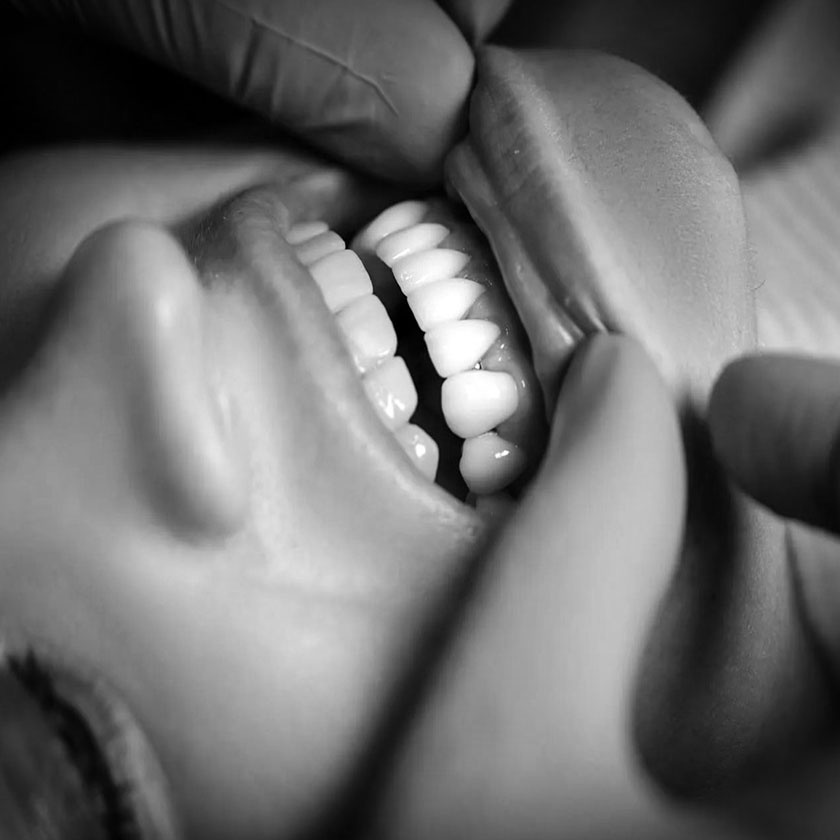
Veneers look like delicate, shell‑like layers that mirror the front surface of each tooth. Each one is individually crafted so the shade, texture and proportions suit your face and smile, helping you achieve a natural‑looking but noticeably refined result.

How can veneers help?

Veneers can help:

  • Soften the look of mildly crooked teeth
  • Brighten teeth that stay discoloured after whitening
  • Even out teeth that are different lengths or shapes
  • Close small gaps between teeth without braces
  • Repair chipped, worn or damaged edges
  • Bring slightly protruding teeth back into balance with your smile
Why are veneers often chosen over composite bonding?

Composite bonding


  • More prone to chipping and wear
  • Typically, a shorter‑term solution
  • Picks up stains more easily over time

Veneers

Custom‑made to match your smile 
and goals
Designed to be longer‑lasting with good care
More resistant to everyday staining from food and drink

What is the average cost of veneers in the UK?

Veneers typically range from around £750 to £1,250 per tooth, depending on the material used and the complexity of your case.

Do veneers stain?

Porcelain and zirconia veneers are highly stain‑resistant, so everyday coffee, tea or red wine are much less likely to mark them than natural enamel.

Is veneer treatment painful?

Treatment is carried out under local anaesthetic, so you should feel only pressure, not pain. Some mild gum tenderness is possible for a short time afterwards.

Can a broken veneer be repaired?

If a veneer chips or breaks, it normally needs to be replaced with a new one rather than repaired.

What types of veneers are available?

Veneers can be made from zirconia, porcelain or composite. Common options include standard porcelain veneers, eMax veneers and Lumineers. eMax veneers use a thin, strong lithium‑disilicate glass‑ceramic, while Lumineers are ultra‑thin shells that often require little tooth preparation. At Dental Art we usually recommend zirconia or eMax veneers for their strength, longevity and natural appearance.

Our expert dental team are members of the following organisations:

"When you're smiling, the whole world smiles with you..."

Louis Armstrong

"A smile is happiness you'll find right under your nose."

Tom Wilson

"If you see someone without a smile today, give 'em yours."

Dolly Parton

"A smile is a curve that sets everything straight."

Phyllis Biller

"Always keep your smile. That's how I explain my long life."

Jeanne Calment

Get in touch


    image
    Accessibility