It’s a common situation: a tooth is lost, there is no pain, and life carries on. Many people then ask the same question: what actually happens if you don’t replace a missing tooth?
The short answer is that nothing dramatic happens overnight. But over time, changes begin beneath the surface. Teeth shift, bone reduces, and small issues can gradually turn into more complex problems. In this article, we explain what really happens after tooth loss and why dentists often recommend replacing missing teeth sooner rather than later.
Right after losing a tooth, the area may feel surprisingly normal once healing begins. This is why many people delay treatment. However, even at this early stage, the underlying structures have already changed.
The tooth is no longer stimulating the jawbone, and the surrounding teeth no longer have the same support. These changes are not visible straight away, but they do not stay still.
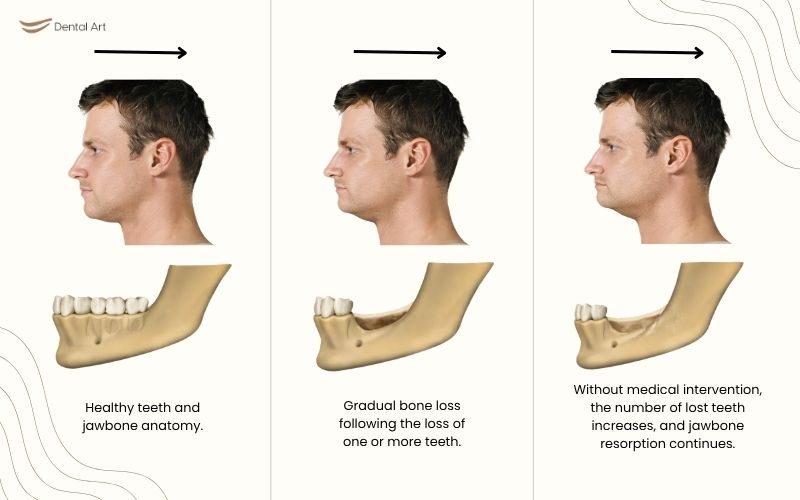
One of the most important effects of a missing tooth is jawbone resorption. The bone that once supported the tooth begins to shrink because it is no longer being used.
This process is gradual, but it is continuous. Over months and years, the bone can lose volume and density, which may affect both function and appearance.
This is also one of the main reasons why early replacement matters. Once bone is lost, additional procedures may be required to rebuild it before placing a dental implant.
Teeth are not fixed in place as rigidly as people think. When a gap appears, neighbouring teeth can begin to move into that space, and the opposing tooth may start to grow down or up into the gap.
Over time, this can lead to:
What started as a single missing tooth can gradually affect multiple teeth.
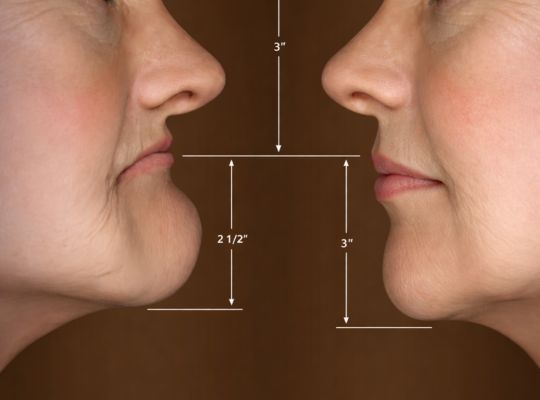
When several teeth are missing, or when bone loss progresses, facial structure can begin to change. The lips may lose support, and the lower face can appear more sunken over time.
This is not immediate, but it is one of the long-term effects that people often notice later rather than sooner.
Even a single missing tooth can affect how you chew. You may start favouring one side, avoiding certain foods, or placing more pressure on remaining teeth.
Over time, this imbalance can contribute to discomfort, uneven wear, and additional dental issues that were not there before.
Not always immediately, but it should always be assessed properly. The right decision depends on factors such as:
A good consultation is not about rushing into treatment. It is about understanding what will happen if nothing is done and making an informed decision based on that.
If replacement is recommended, there are several options depending on your case:
Each option has its place. The key difference is how they interact with the bone, surrounding teeth, and long-term stability.
Dental implants are often recommended because they replace both the visible tooth and the root beneath it. This helps maintain bone levels and supports a more stable, long-term result.
When planned and carried out properly, implant treatment is not just about replacing a tooth. It is about restoring function in a way that continues to work reliably over time.
At Dental Art Implant Clinics in East Finchley and Balham, we assess each case individually and explain what is happening now, what may happen over time, and what your options are.
Can you leave a missing tooth untreated?
In some cases, yes for a period of time. However, long-term changes such as bone loss and tooth movement are likely to occur.
How quickly does bone loss happen after losing a tooth?
Bone loss can begin within months after a tooth is lost and continues gradually over time.
Is it too late to replace a tooth after years?
Not necessarily. However, additional treatment such as bone grafting may be required depending on how much bone has been lost.
If you have a missing tooth and are unsure whether it needs to be replaced, the most sensible step is to have it assessed properly. Understanding what is happening now is far more useful than guessing and hoping it stays the same.

 East Finchley